
How to Plan Your Home Interior Before Buying Furniture
Buying furniture first and planning later is the most common, and most expensive, interiors mistake. Here is a simple order of decisions that saves money and regret.
By Valdo Interiors · · 6 min read
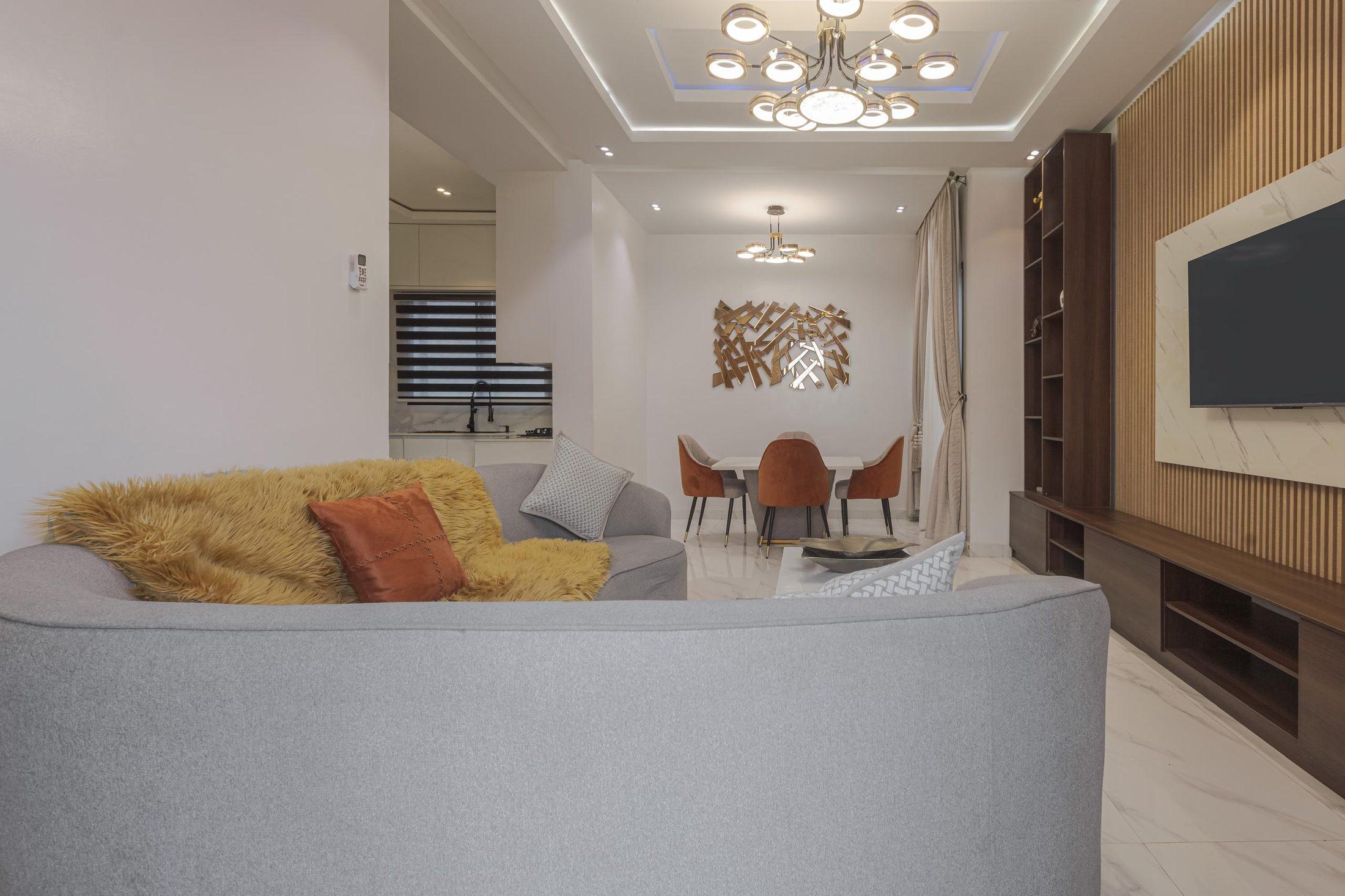
It is tempting to start with the exciting part: the sofa you saw online, the dining set in a showroom, the statement chandelier. But furniture bought before a plan exists often ends up too large, too small, the wrong colour or simply in the wrong place. A little planning first turns a collection of purchases into a home that feels designed.
1. Start with how you will use each room
Before thinking about style, write down what happens in each space. Does the living room host large family gatherings or quiet evenings? Do you work from the dining table? Will children use the room? These answers decide how much seating you need, what surfaces must be durable and where storage belongs.
2. Measure everything, including what you cannot move
Record wall lengths, ceiling heights, window and door positions, sockets, switches, air-conditioning units and radiators. Note which way doors swing. These fixed elements decide where large pieces such as sofas, beds and media walls can go.
- Leave around 90 cm for main walkways through a room.
- Allow at least 75 cm behind dining chairs so people can sit and stand comfortably.
- Check lift, staircase and doorway sizes before ordering large items.
3. Draw a simple layout
Sketch the room to scale on paper or with a free planning app and place the main pieces. Moving rectangles on a plan costs nothing; returning a sofa that blocks a doorway costs a great deal. The layout also tells you the right size for rugs, tables and lighting.
4. Decide the overall direction
Choose a palette of two or three main colours, a few materials and a mood, whether calm and neutral, warm and textured or bold and dramatic. Collect images of rooms you love and look for what they have in common. This direction becomes the filter for every later purchase.
5. Plan lighting with the layout
Lighting is far easier to get right before furniture arrives. Decide where reading lamps, pendant lights over tables and accent lighting on artwork or shelving will go, so electrical points can be placed accordingly.
6. Set a budget by priority
Spend most on the pieces you use every day and that are hardest to replace: the sofa, the bed, the dining table, fitted storage. Accessories can be added over time.
A plan is not about limiting choice. It is about making sure every choice works with the others.
If you would like a second pair of eyes on your plans, an interior designer can help you avoid costly mistakes and bring the whole home together. Share your floor plan and a few photos with us to start the conversation.
Have a project in mind?
Tell us about your space and we will explore the right solution together.
Continue reading
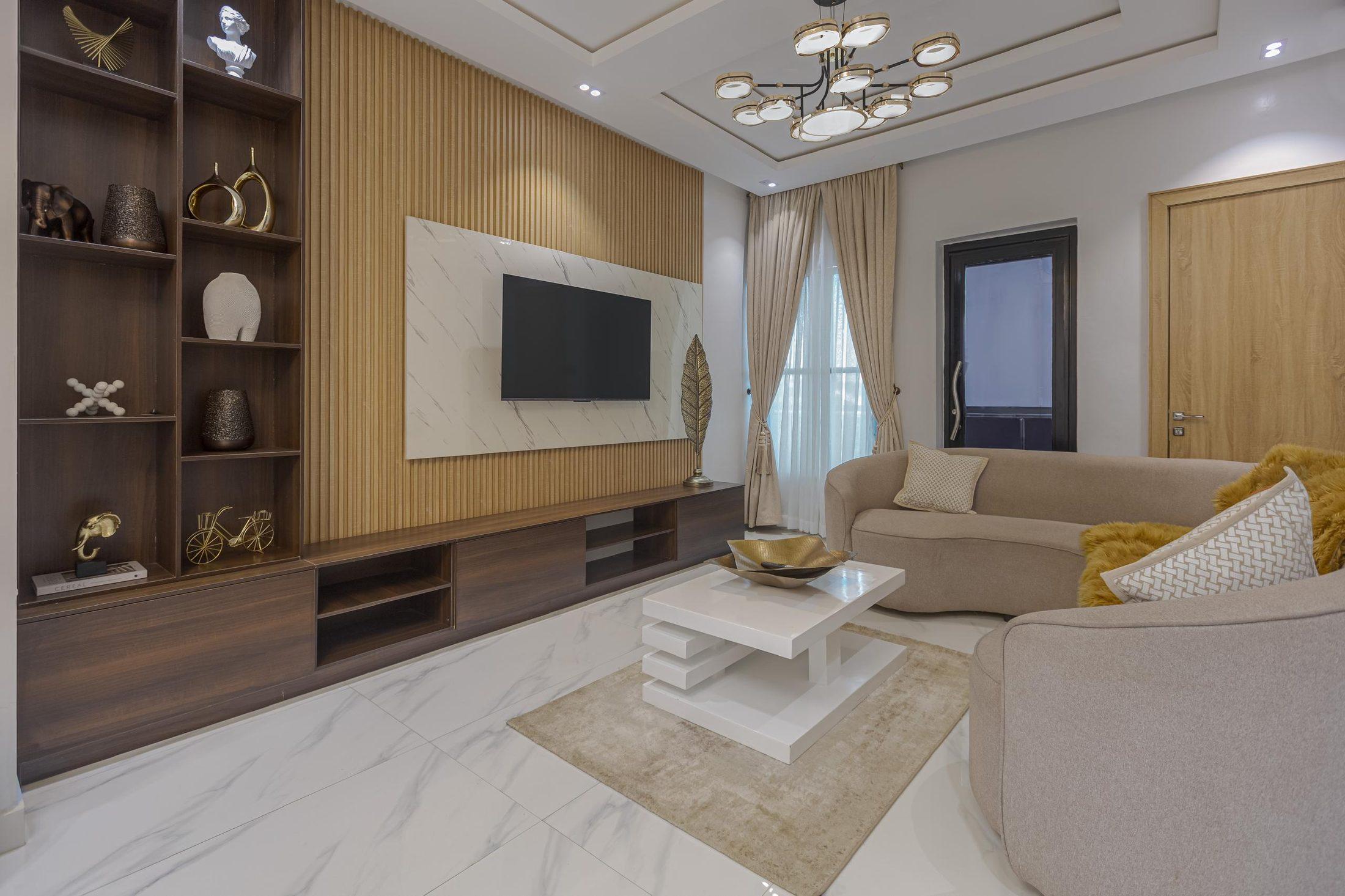
Furniture · 5 min read
Custom Furniture vs Ready-Made Furniture: What Should You Choose?
Both have a place in a well-designed home. The right choice depends on your space, your timeline, your budget and how long you plan to keep the piece.
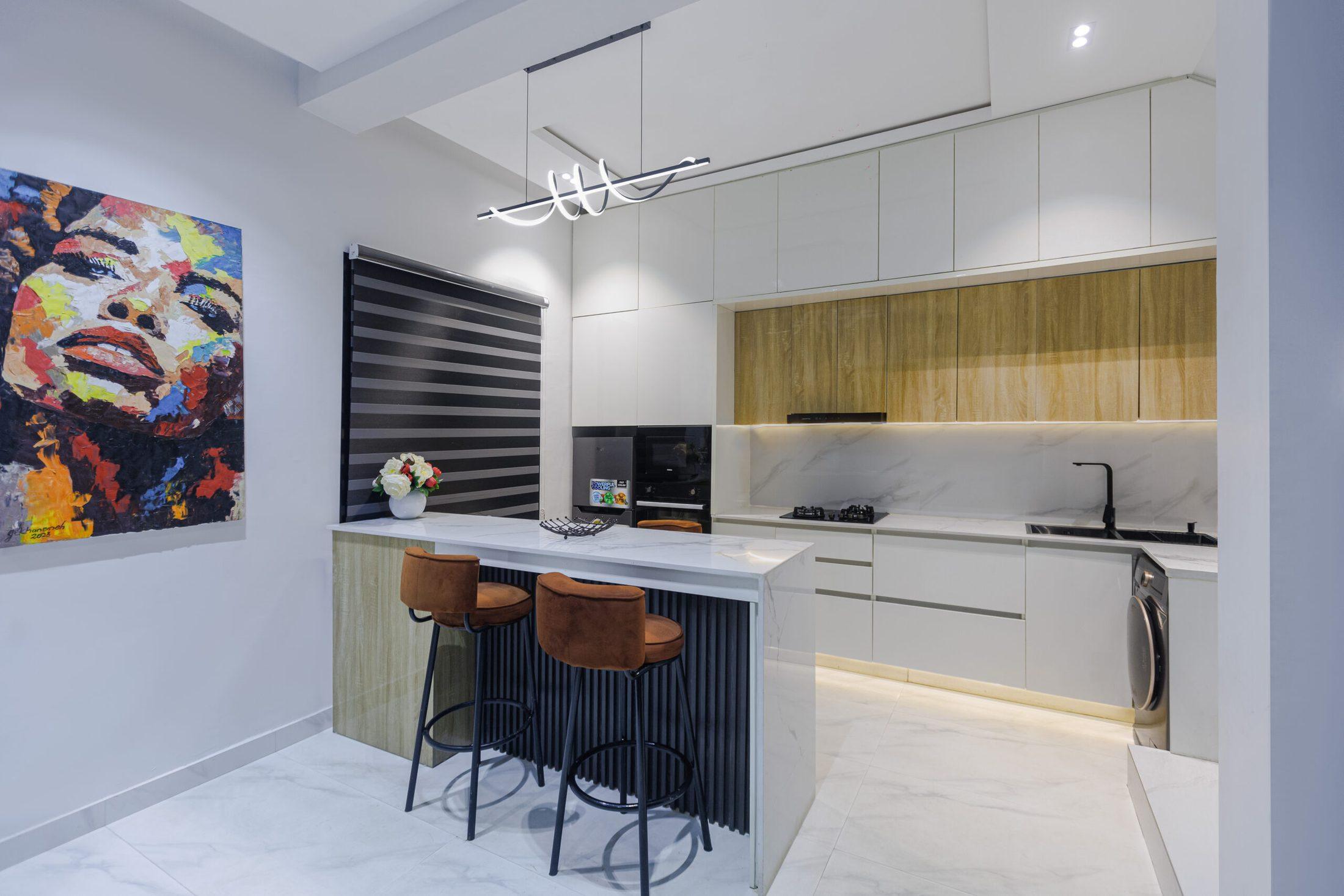
Kitchens and Storage · 6 min read
What to Consider Before Designing Your Kitchen Cabinets
Workflow, storage, materials and lighting: the decisions that make the difference between a kitchen that looks good and one that works well for years.
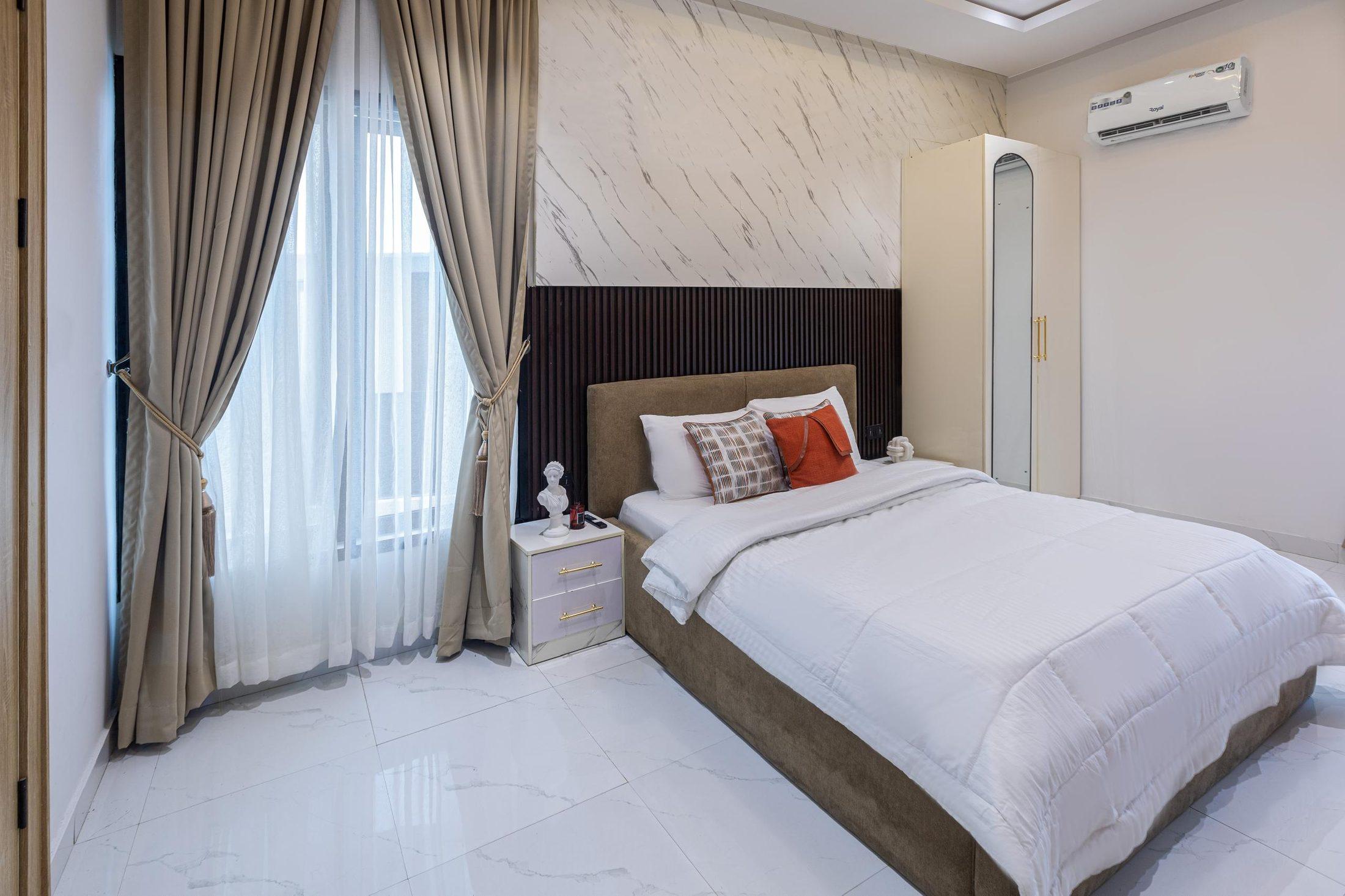
Kitchens and Storage · 5 min read
How to Create a Functional and Beautiful Wardrobe
A good wardrobe is designed from the inside out. Start with what you own and how you dress, then shape the doors, finishes and lighting around it.