
How to Choose Finishes for a Cohesive Interior
Floors, walls, cabinetry, metals and fabrics should feel like they belong together. A simple framework for choosing finishes that create a calm, connected home.
By Valdo Interiors · · 5 min read
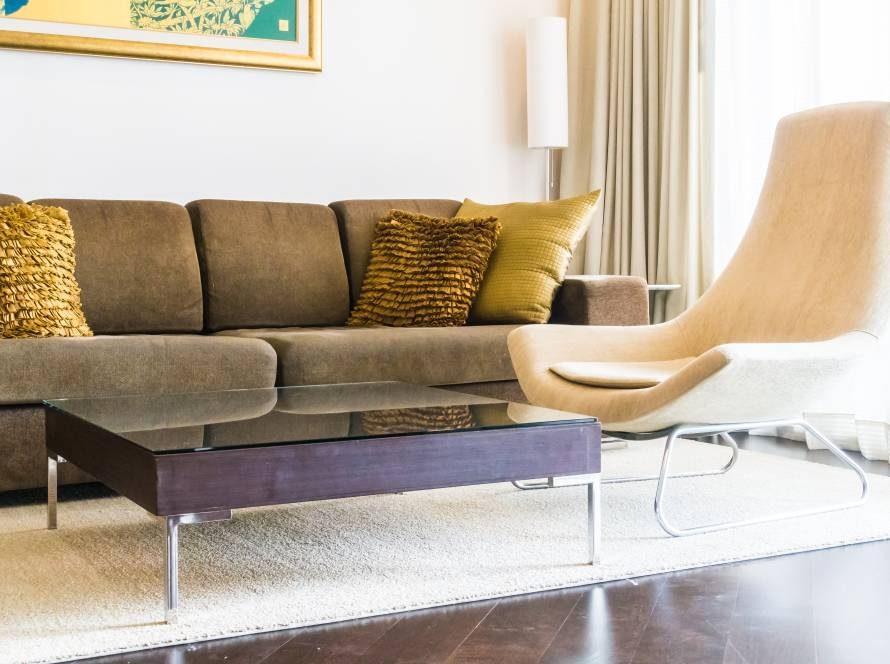
A cohesive interior is one where every room relates to the next. That does not mean everything matches. It means finishes are chosen as a family, with a few consistent threads running through the home.
Start with the fixed elements
Floors, large tiled areas and built-in cabinetry are the most expensive to change, so choose them first and let them anchor the palette. A neutral, durable floor carried through several rooms creates instant continuity.
Build a limited palette
- Choose one or two main neutrals for walls and large surfaces.
- Add one or two natural materials, such as timber or stone.
- Select one main metal finish for handles, taps and light fittings.
- Use colour and pattern through accessories, art and upholstery.
Balance warm and cool
Marble-effect tiles and white cabinetry feel crisp and cool; timber, velvet and brass feel warm. Most successful interiors combine both, such as white gloss kitchen units with oak upper cabinets, or a cool marble floor with warm rust upholstery.
Consider texture and sheen
Rooms with only smooth, shiny surfaces can feel cold. Introduce texture with fabrics, rugs, slatted timber panels or matt finishes to add depth and comfort.
View samples together
Always look at samples side by side, in the room, in both daylight and evening light. Colours shift dramatically under different lighting.
Choosing finishes for a new home or renovation? We can help you build a palette that ties the whole project together.
Have a project in mind?
Tell us about your space and we will explore the right solution together.
Continue reading
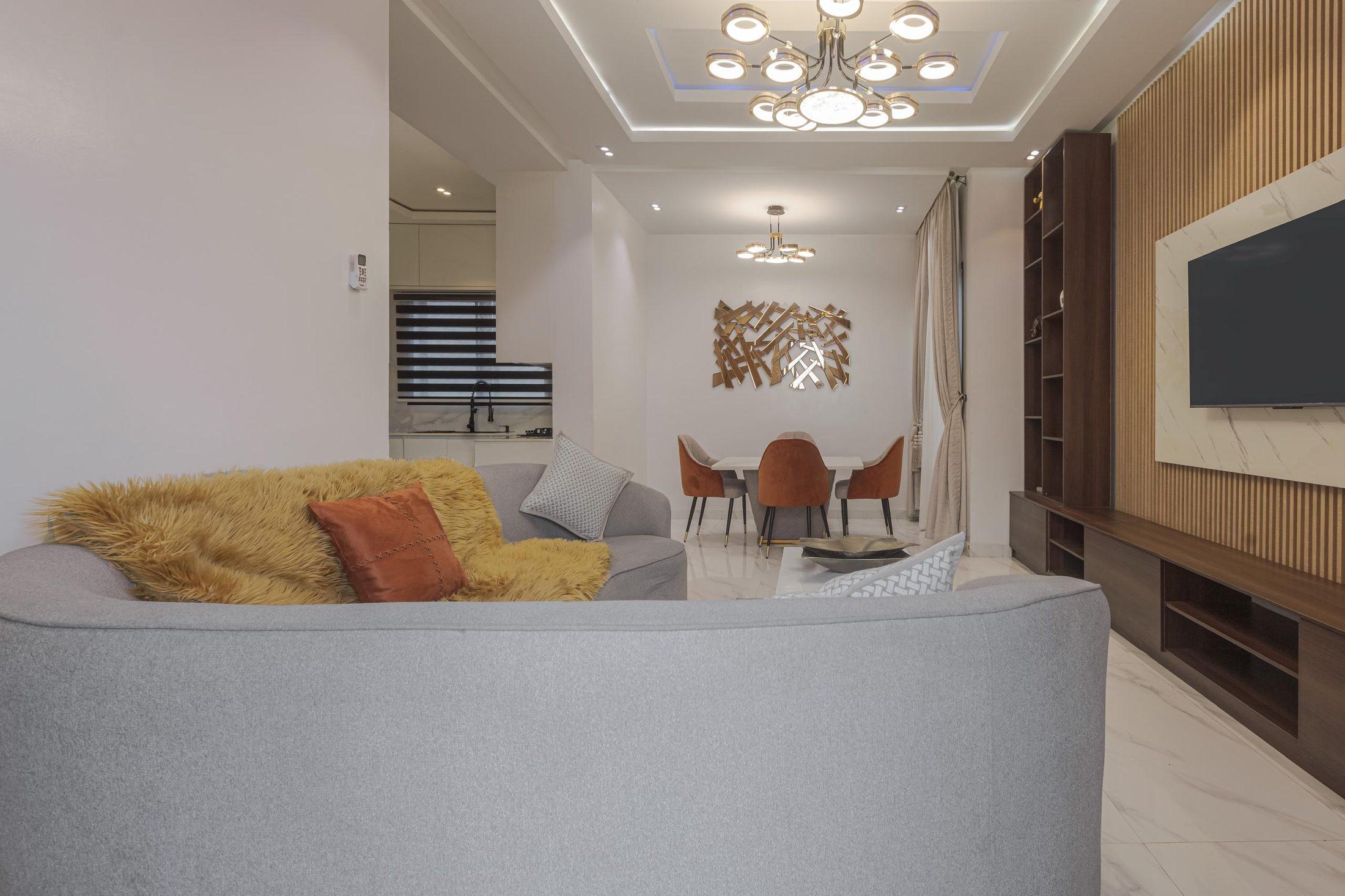
Planning Your Interior · 6 min read
How to Plan Your Home Interior Before Buying Furniture
Buying furniture first and planning later is the most common, and most expensive, interiors mistake. Here is a simple order of decisions that saves money and regret.
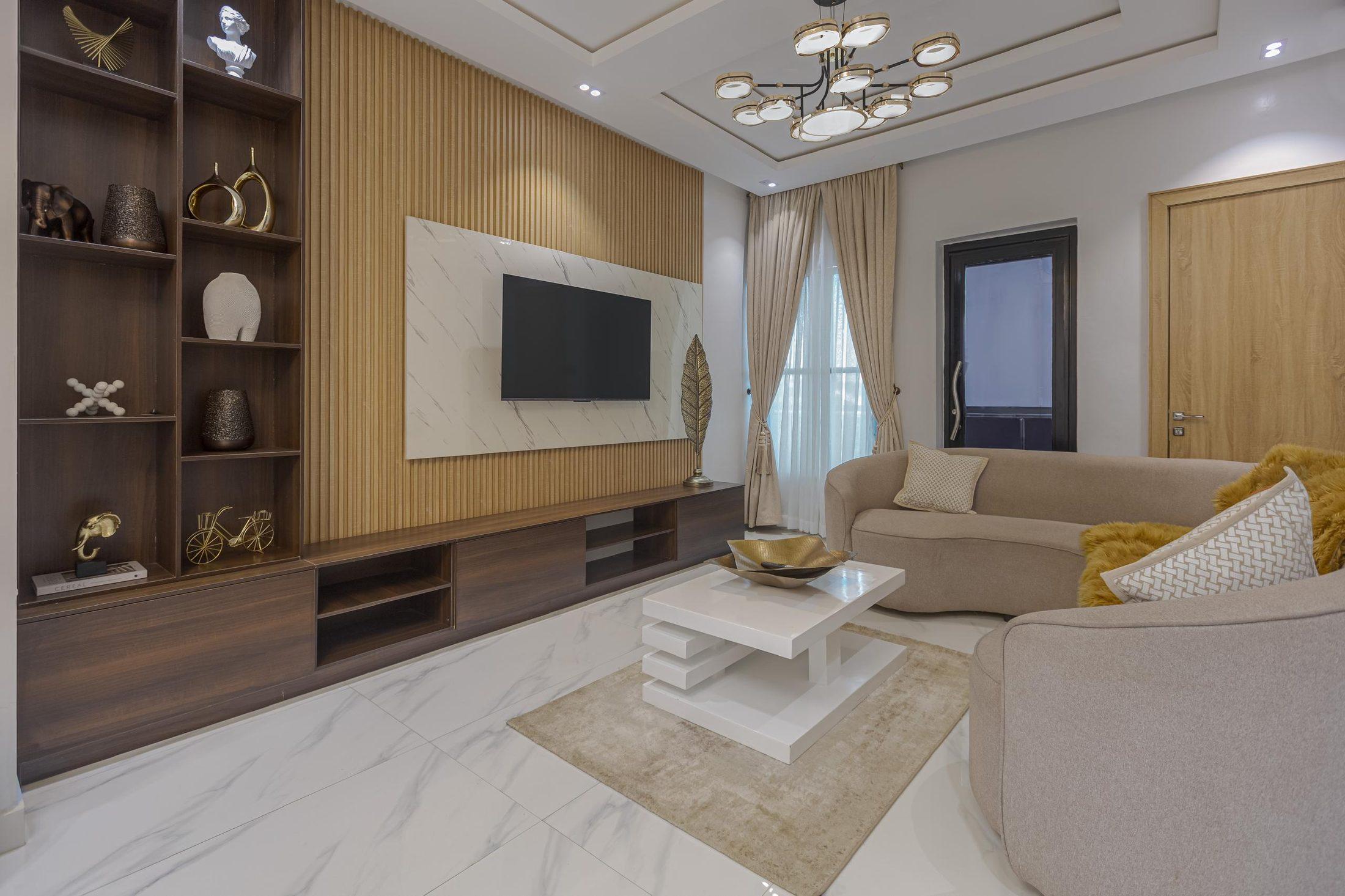
Furniture · 5 min read
Custom Furniture vs Ready-Made Furniture: What Should You Choose?
Both have a place in a well-designed home. The right choice depends on your space, your timeline, your budget and how long you plan to keep the piece.
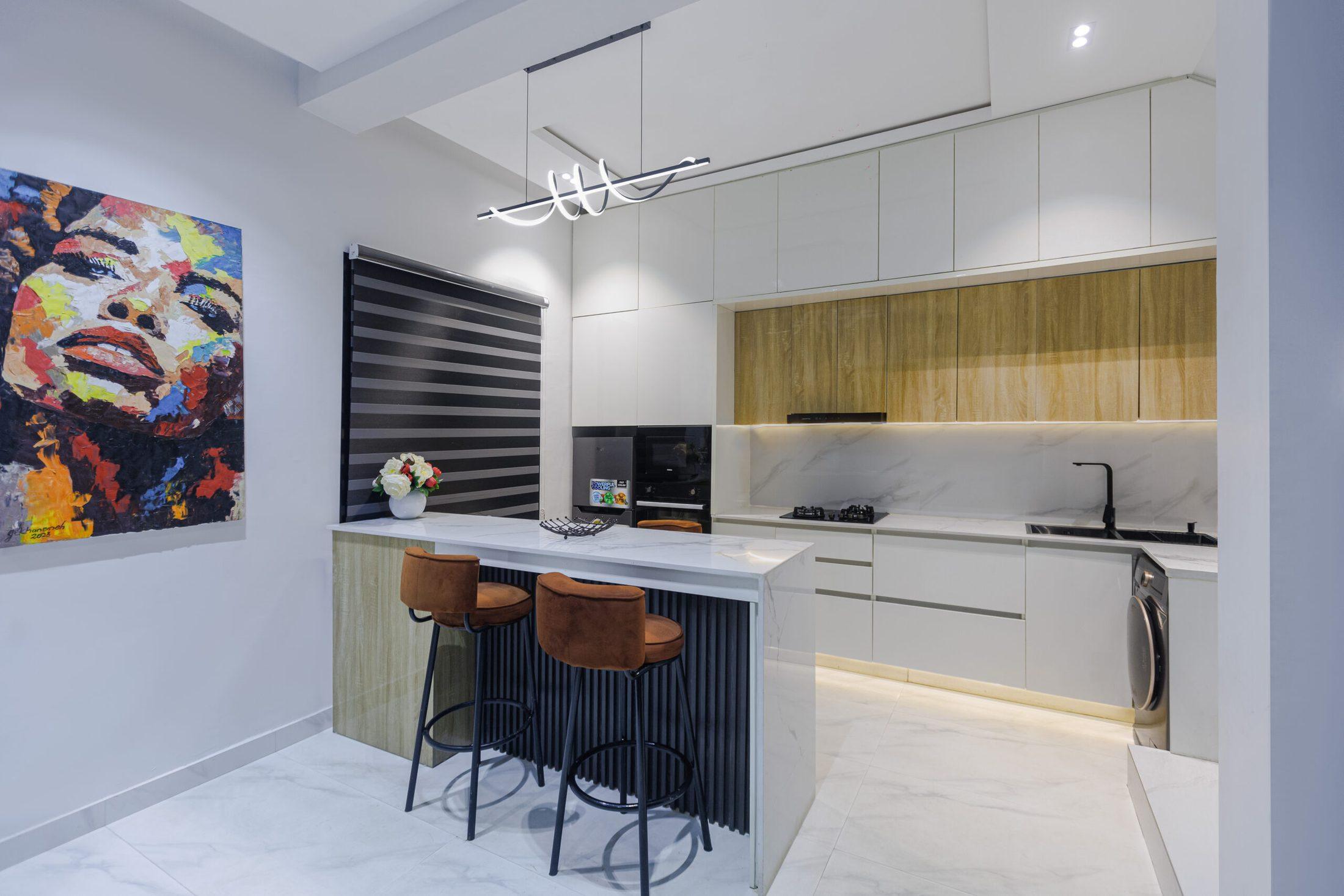
Kitchens and Storage · 6 min read
What to Consider Before Designing Your Kitchen Cabinets
Workflow, storage, materials and lighting: the decisions that make the difference between a kitchen that looks good and one that works well for years.